Born in Harlem, New York, I moved to Gastonia, North Carolina. While in middle school, I was assigned the raise-the-American-flag-on-the-pole-in-the school-yard daily job. High School exported me to Atlanta’s Devry Institute of Technology. I graduated, moved to Charlotte, NC and worked for Duke Energy and the IBM computer corporation.
The lure of Boston’s culture pulled me to Massachusetts.
In Boston, my companies provided IT equipment to hundreds. We delivered 2,000 charter bus seats. We’ve guided hundreds of Boston residents and tourists on the Boston African American heritage tour I created, named “The Protest to Freedom Tour.” This unique Black Boston tour program explains how individuals and their collective efforts scaled up the Boston Black community.
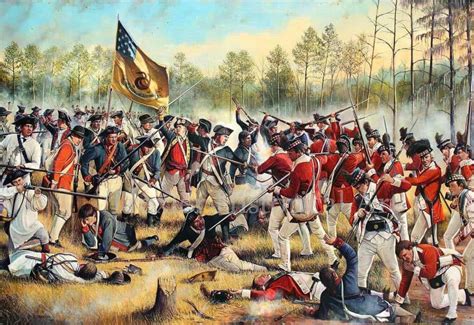
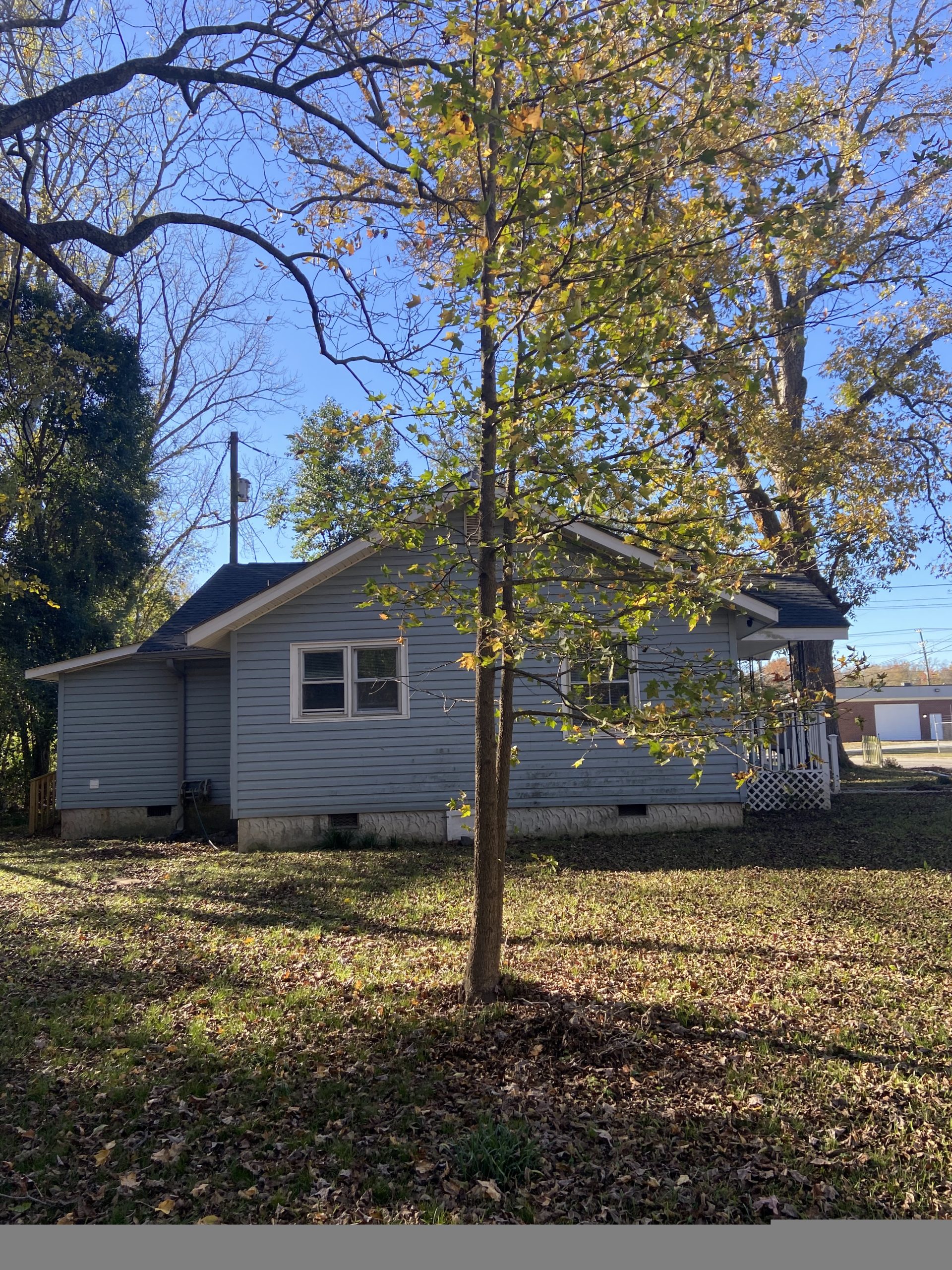
After 44 years of Bostonian life, I took to land acquired with an Airbnb cottage in Fayetteville, NC. There are American Revolutionary War (April 19, 1775 – September 3, 1783), objects on the property.
Fayetteville NC Brief
City Hall has been run by Black mayor Mitch Colvin for years. He has constructed a Martin Luther King, Jr., memorial park next to the historically Black university in town known as FSU.
Within city limits is the Fort Bragg military base. It’s brand has been blended with the names of streets, parks, and banks. Fifty thousand active duty soldiers are stationed at Fort Bragg along with 11,000 civilian workers. Together they support today’s military missions.
| The Fayetteville Gazette newspaper reported during the Civil War, North Carolina contributed more soldiers to the Confederate cause than any other state. North Carolina was also the next-to-last state to secede, and it was home to pro-Union movements that persisted throughout the war. Those are all facts, and they’re part of the complex history the state is taking on in building the $87 million N.C. History Center on the Civil War, Emancipation & Reconstruction, writes journalist Jimmy Ryals. |
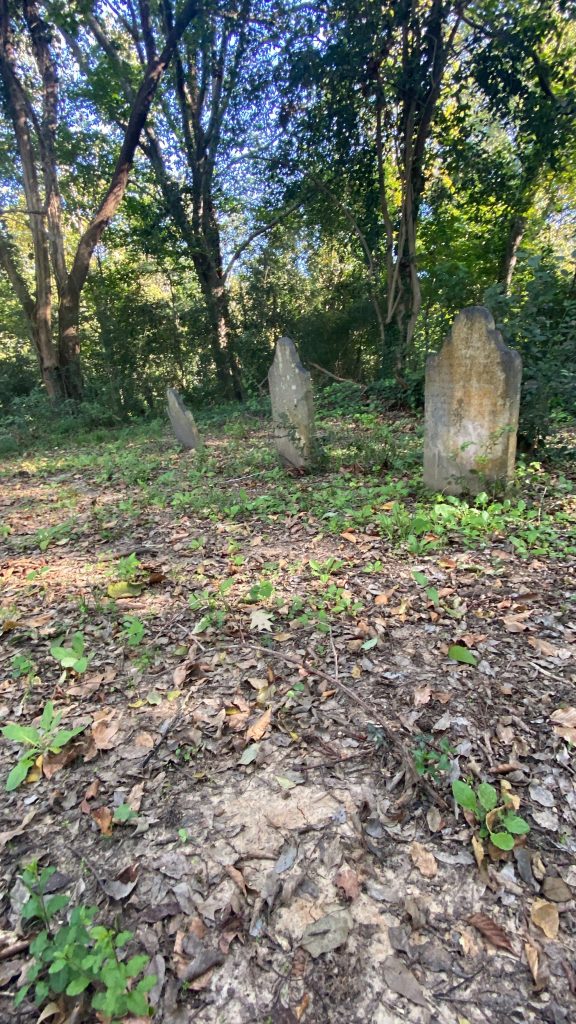
cemetery with soldiers